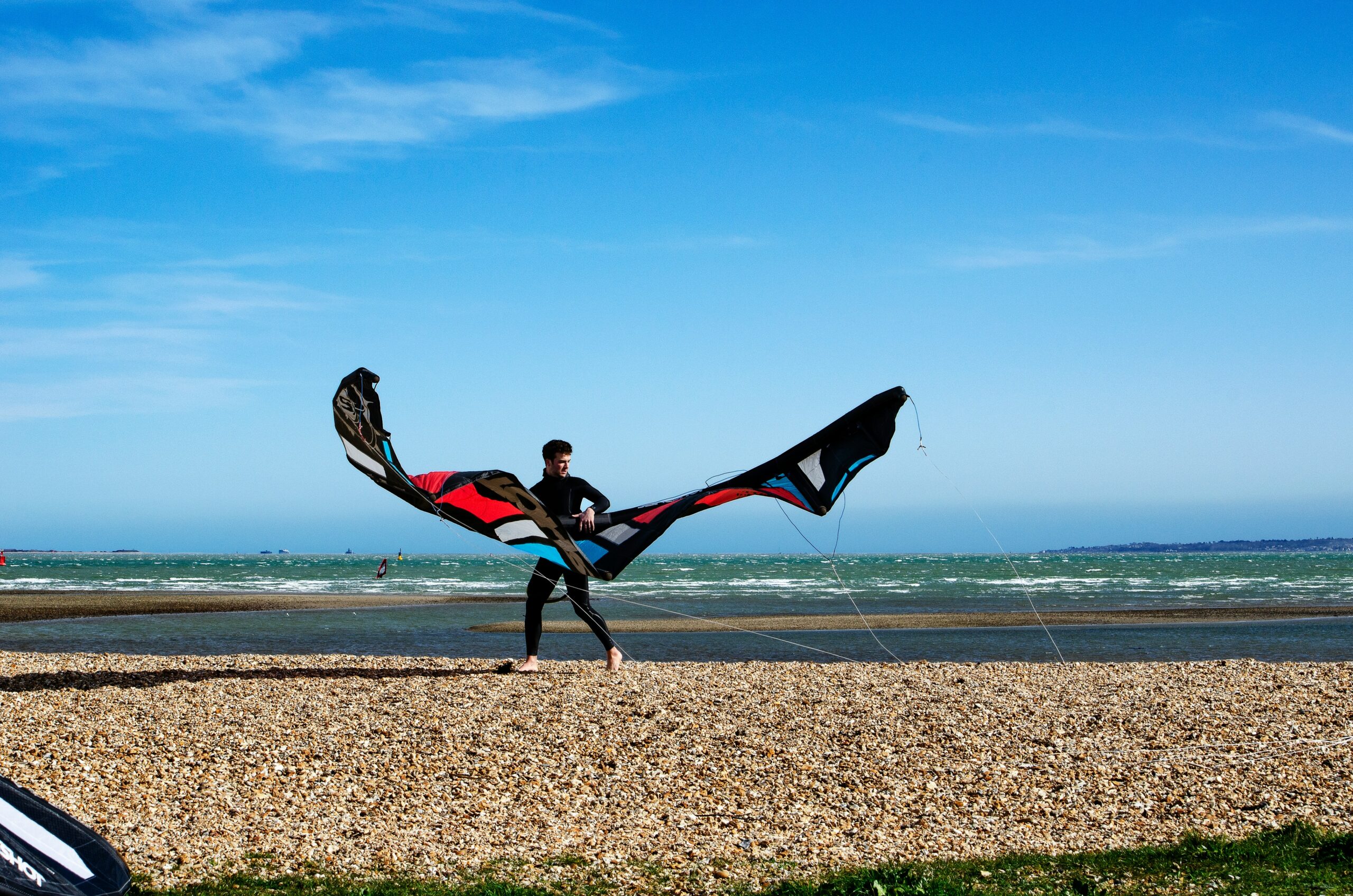
The first time someone stands on a board after losing a limb, fear and hope often meet. The ocean feels vast. The wind feels strong. Doubt whispers that this sport may now belong to someone else. Yet many prosthetic kitesurfers step into the water with a different mindset. They choose to test what is possible rather than accept what seems likely.
Kitesurfing demands balance, focus, and trust in the wind. It can challenge even the most seasoned athlete. For riders with prosthetic limbs, the sport also becomes a symbol of freedom. The board glides across the surface, and the kite pulls against the harness. In that moment, the body feels whole again. The water does not care about scars or surgery. It responds only to movement and control.
Finding Strength After Loss
Many prosthetic kitesurfers begin their journey after a life-changing event. Some lose limbs in accidents. Others face illness or injury that alters their path without warning. Recovery can take months or years. Physical therapy rebuilds strength, while emotional healing takes steady effort. During this time, sport can seem distant or even impossible.
Then comes a turning point. A friend suggests a lesson. A coach offers support. A beach visit sparks an old love for waves. Riders often describe the first session as both terrifying and powerful. They fall often. They struggle to manage the kite. Yet they also feel alive in a way that surprises them. Each small success builds confidence. Each ride across the water becomes proof that life can still hold adventure.
Learning to Trust the Equipment
A prosthetic limb must fit well and feel secure before any rider heads into the water—comfort matters. Stability matters more. Many kitesurfers work closely with their prosthetist to adjust the socket and alignment. They test different foot positions. They practice standing and shifting weight on land before attempting deeper water.
Trust grows with repetition. Riders learn how the board responds when they lean forward or edge harder against the wind. They notice how the prosthetic feels during turns. Some choose a firm ankle setting for added support. Others prefer a bit of movement to help with carving. Over time, the equipment becomes part of their rhythm. It no longer feels like a separate object. It feels like an extension of effort and intent.
The Power of Community Support
Behind many inspiring prosthetic kitesurfers stands a strong community. Friends carry gear. Instructors offer patient guidance. Fellow riders cheer from the shoreline. That support eases the fear of trying something new. It also creates a sense of belonging that goes beyond the sport itself.
Adaptive sports groups have played a key role in opening doors. They organize lessons and share resources. They connect beginners with experienced riders who understand the challenges. These shared stories matter. When a newcomer sees someone else with a prosthetic limb launch a kite and ride with control, doubt begins to fade. Possibility replaces hesitation. The beach becomes a place of shared courage.
Facing Fear and Building Confidence
Every kitesurfer faces fear. The wind can shift without warning. Waves can knock even skilled riders off balance. For someone with a prosthetic limb, those fears may feel sharper at first. Questions arise about falling, about equipment failure, about standing up again after a hard crash.
Confidence grows through action. Riders start in light winds. They practice body dragging before standing on the board. They repeat simple drills until movements feel natural. With each session, fear loses some of its power. The body learns how to react. The mind learns how to stay calm. Soon, the rider no longer focuses on what could go wrong. They focus on reading the wind and enjoying the ride.
Stories That Inspire Beyond the Shore
The impact of prosthetic kitesurfers extends far beyond the water. Their stories reach people who may never try the sport. A photo of a rider soaring above the waves can change how someone views disability. It shows strength, not limitation. It highlights action, not absence.
Many riders speak openly about their journey. They share moments of frustration and doubt alongside triumph. This honesty resonates. It reminds others that resilience is not about ignoring hardship. It is about moving forward despite it. When children with limb differences see these athletes on the water, they witness a future filled with options. When adults facing new injuries see them ride, they see hope.
Redefining What Is Possible
Prosthetic kitesurfers do not claim the sport is easy. They acknowledge the extra planning and preparation it requires. They speak about the effort needed to fine-tune equipment and strengthen their bodies. Yet they also make clear that difficulty does not equal impossibility. They redefine what limits mean through steady commitment.
Each successful session rewrites an old narrative. The rider who once wondered if they could stand again now rides upwind with control. The athlete who feared judgment now inspires applause. These moments accumulate. They shape a new standard for what the human body and spirit can achieve. The wind becomes a partner in that journey, carrying them forward with each pull of the kite.
Riding Toward the Future
The future for prosthetic kitesurfers looks bright. More instructors now understand adaptive techniques. More beaches welcome inclusive programs. Equipment continues to improve in comfort and durability. As awareness grows, so does the opportunity for those who wish to try.
Yet the true progress lies in mindset. Each rider who enters the water challenges a silent belief about who belongs in extreme sports. They show that adventure has no fixed shape. It bends and adapts to the person who pursues it. Riding the wind becomes more than a hobby. It becomes a statement of resilience and joy.
Prosthetic kitesurfers remind us that strength does not come from perfect conditions. It comes from action. It comes from choosing to step into the waves, even when doubt lingers. Their stories continue to inspire because they speak to something universal. We all face moments that test our limits. Watching someone harness the wind after a profound loss encourages us to examine our own boundaries. It invites us to push a little further, trust a little more, and believe that forward motion is always possible.