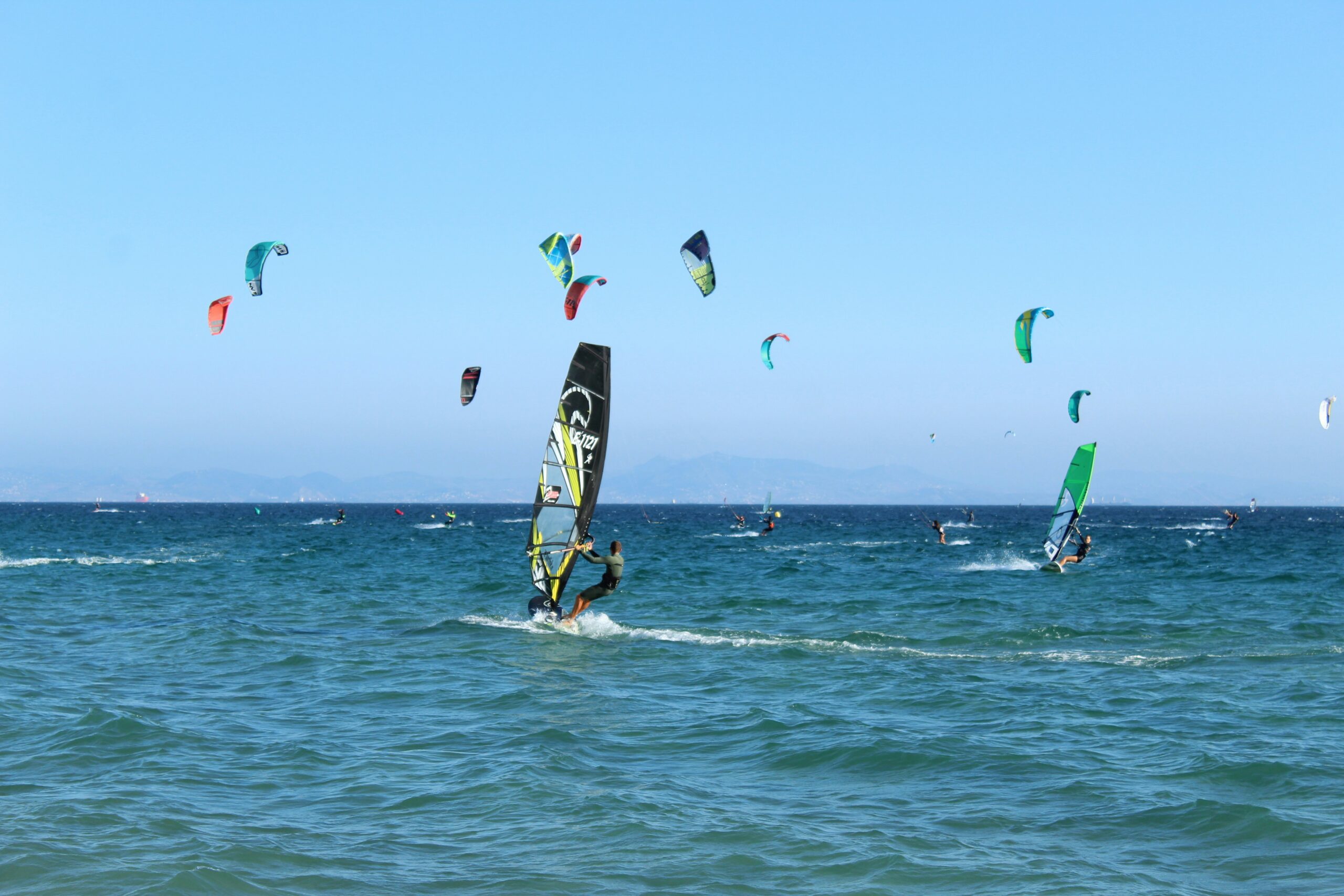
Kitesurfing always fuels excitement with its blend of wind, waves, and speed. Yet for athletes who ride with prosthetic limbs, the sport is much more profound than a thrilling adventure. It becomes a gateway to independence, resilience, and renewed personal strength. Because of this, the movement of kitesurfing with prosthetics continues to grow, bringing more adaptive athletes to shorelines around the world.
Many riders describe the sport as a turning point in their lives. Instead of focusing on physical limits, they experience a sense of freedom that lifts both their bodies and minds. As soon as the kite catches the wind and the board begins to glide, they feel a connection to the moment that pushes away fear and welcomes confidence.
The New Face of Strength on the Water
Adaptive athletes bring a new image of courage to kitesurfing. They step into the sport not because it is easy, but because it challenges them to rise stronger with every session. Although the early learning process requires patience, riders often feel amazed by how quickly joy replaces hesitation. Each movement across the water reminds them that strength thrives in action, not in perfection.
The ocean becomes a powerful training ground. Waves, wind, and determination blend to create a space where athletes rediscover their abilities. Instead of focusing on what they cannot control, they focus on technique, balance, and rhythm. With time and commitment, they move forward with smoother transitions, stronger stances, and deeper trust in their bodies.
Choosing the Right Prosthetic Setup
The proper prosthetic setup is essential for making kitesurfing with prosthetics comfortable and practical. Many riders collaborate closely with prosthetists who understand the demands of the sport. This support helps them find the best alignment, socket fit, and material strength. After several adjustments, the equipment begins to feel like a natural part of the rider’s movement.
Because saltwater and sand create constant friction, athletes often choose materials that resist corrosion. They prefer gear that remains strong even during long ocean sessions. A lightweight limb also improves stability and reduces fatigue, which encourages longer practice time. When the equipment fits well, riders build confidence faster and focus entirely on improving their kitesurfing technique.
Training the Body and Mind
Training for adaptive kitesurfing always includes both mental and physical preparation. Riders spend time strengthening their core so they can hold steady positions during gusty moments. They also work on flexibility to handle unexpected shifts in pressure or direction. When their bodies respond quickly, their sessions feel smoother and more predictable.
Mental training plays an equally important role. Although new riders may feel nervous during early attempts, they learn to shift fear into focus. Coaches often encourage them to celebrate each small milestone, because each step reduces doubt and strengthens discipline. As confidence grows, athletes discover that the ocean is not something to fear but something to move with.
Safety First: Smart Habits for Adaptive Kitesurfers
Safety is always a priority in kitesurfing with prosthetics, and adaptive riders develop habits to protect their progress. Before every session, many athletes inspect their equipment to ensure every strap, joint, and connector stays secure. This small routine prevents unexpected issues that could interrupt a great day on the water.
Riders also learn how to fall safely without stressing their prosthetic limbs. They practice controlled movements that minimize impact while keeping the socket comfortable. By choosing steady wind conditions and calm water during the early stages, they lay a strong foundation for their future progress. These habits build confidence, and, in turn, confidence encourages better performance.
Real Stories of Breakthrough Moments
Every adaptive athlete carries a breakthrough moment that stays with them forever. Some describe the instant when the kite lifted them for the first time. Others remember the first long glide across the water where everything felt balanced and powerful. These moments become milestones because they prove that determination can overcome nearly any barrier.
Many riders share emotional stories of transformation. One athlete explained that losing a limb once made him doubt his future, yet kitesurfing helped him rewrite his identity. Another rider described feeling stronger with her prosthetic, as if it symbolized her ability to rebuild her life. Through their stories, the world sees how kitesurfing with prosthetics does more than build skill—it rebuilds confidence.
Community Support Makes a Powerful Difference
A strong community helps adaptive riders grow faster and feel supported. Many kitesurfing communities welcome athletes with open arms, offering encouragement, shared experiences, and helpful advice. Riders exchange tips about caring for their prosthetics, adjusting gear, and mastering balance on the board. This sense of belonging makes the journey easier and far more enjoyable.
Adaptive competitions and group training sessions also create space for inspiration. When athletes watch others ride with confidence, they see new possibilities for themselves. These events push the sport forward and highlight the strength found in unity. Together, athletes reshape the image of what is possible, both in kitesurfing and in life.
The Future of Adaptive Kitesurfing
The future of kitesurfing with prosthetics looks incredibly bright. Prosthetic technology advances every year, offering more responsive, natural movement. Engineers continue to design limbs that support athletic performance, allowing riders to twist, balance, and steer with greater control. These advances will open the door for more athletes to join the sport.
As awareness grows, specialized training programs and adaptive kitesurfing camps will become more accessible. Schools will offer lessons tailored to different mobility needs, and competitions will expand their adaptive categories. With each step forward, the sport becomes more inclusive and more empowering for athletes around the world.